Trading subway transfers for sunsets on the Navesink River can feel like a big leap. If you’re considering a move from New York City to Rumson, you likely want more space, strong schools, and a sane commute without giving up culture or convenience. This practical guide gives you clear expectations on costs, commute choices, neighborhoods, timelines, inspections, and permit steps so you can plan with confidence. Let’s dive in.
Why Rumson works for NYC buyers
Rumson is a small, upscale Monmouth County town with a coastal feel and quick access to Red Bank’s dining and arts scene. Families often prioritize its public schools, which feed into Rumson–Fair Haven Regional High School, a school that earns strong marks on independent rankings like Niche’s profile of RFH.
Set price expectations early. As of January 2026, public market trackers place Rumson’s median sale price around the multi‑million range, with Redfin reporting about $2.6 million. Inventory is limited, and days on market can shift quickly with waterfront or new‑construction activity. Plan a focused search and be ready to act when the right home appears.
What homes look like in Rumson
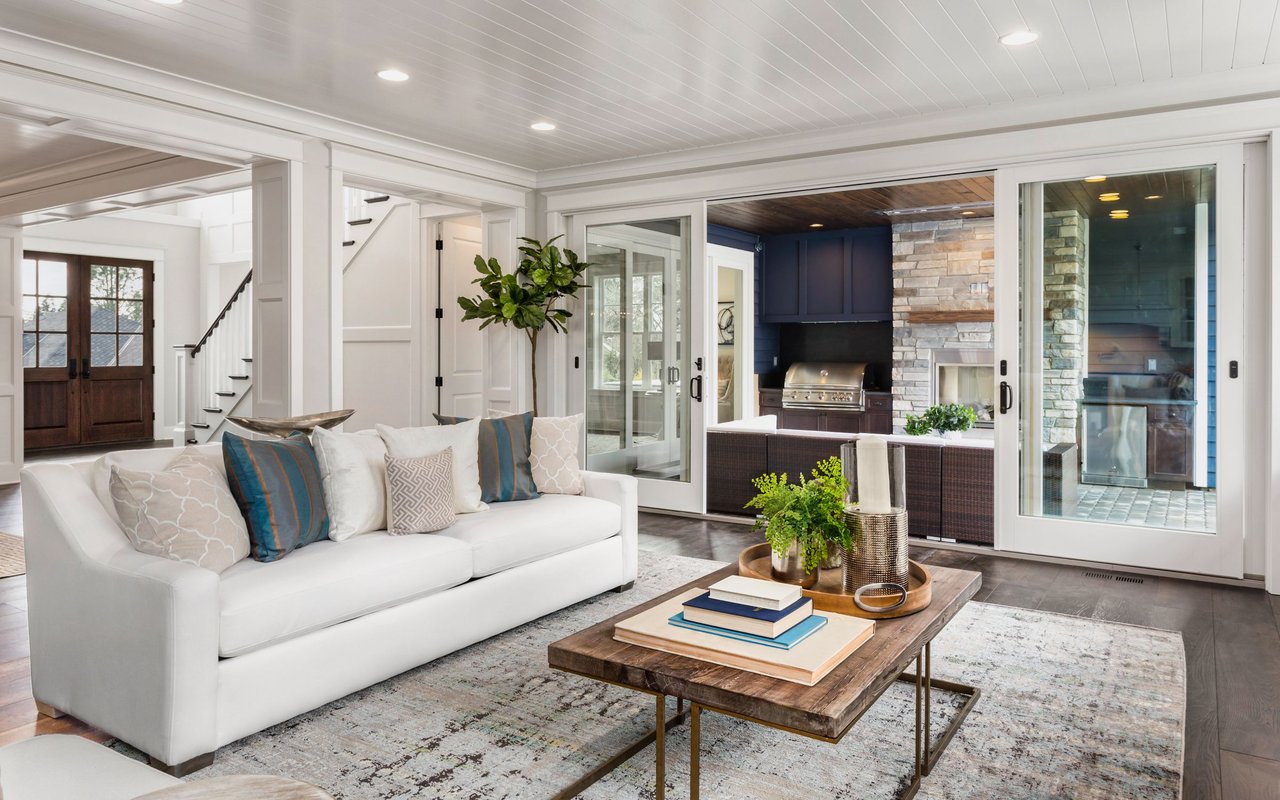
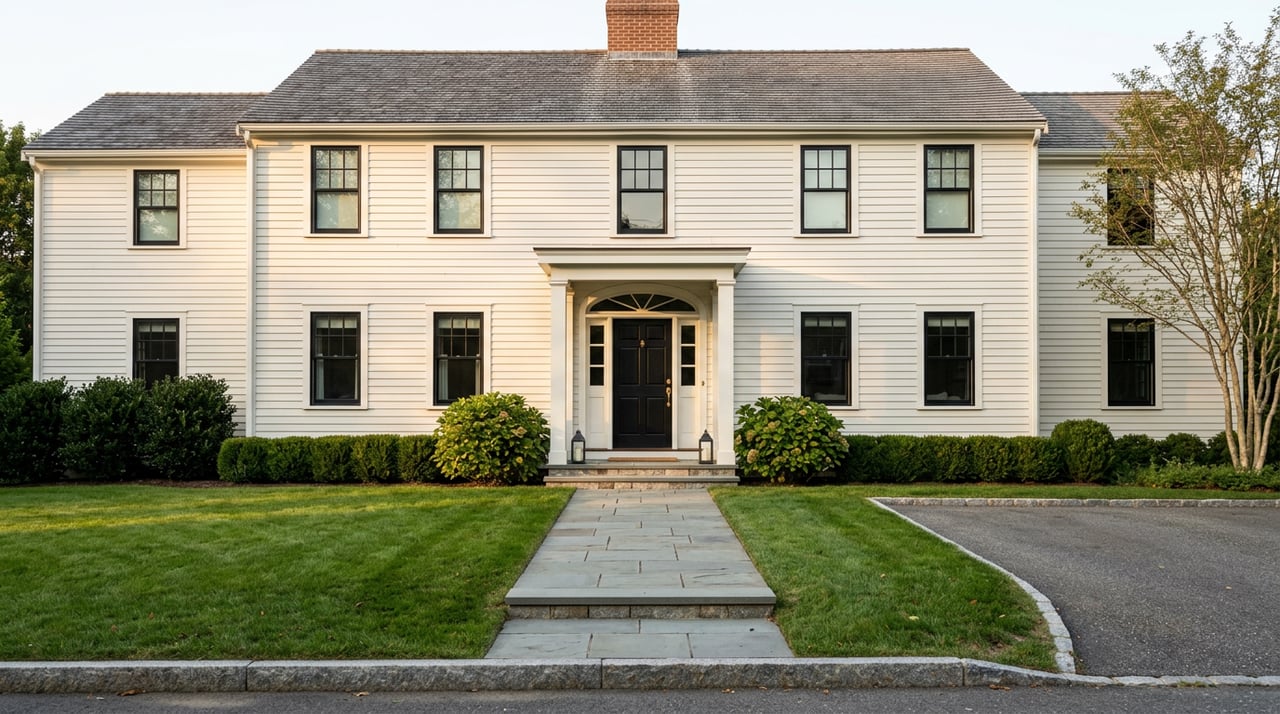
You’ll see classic shingle‑style and Colonial homes, larger estates on the rivers, and mid‑century or renovated properties inland. There are a few townhomes and condos, but single‑family homes dominate. Waterfront addresses often include private docks or moorings and command premium pricing.
Much of Rumson sits along the Navesink and Shrewsbury Rivers. Flood maps and elevation details matter for river‑adjacent properties. Review the borough’s resources on mitigation, maps, and insurance at the Rumson flood‑management page.
Commute options to Manhattan
Your door‑to‑desk time depends on your exact address, schedule, and end destination in the city. Most Rumson commuters choose between the SeaStreak ferry and NJ TRANSIT rail, with driving as a backup.
- Ferry: SeaStreak departs Highlands and Atlantic Highlands to downtown and Midtown Manhattan. The ride is typically 40 to 60 minutes, plus parking and local driving. Check the latest times on the SeaStreak schedule.
- Train: Many residents drive to Red Bank or Little Silver for the North Jersey Coast Line into New York Penn Station. Learn more about service to and from Red Bank on NJ TRANSIT’s timetables and station info summarized on Wikipedia’s Red Bank station page.
- Driving: Peak traffic can stretch to 60 to 120 minutes or more. Hybrid schedules, carpools, and departure times can change the math significantly.
Example door‑to‑desk windows you can test:
| Mode | Typical Window | Notes |
|---|---|---|
| Ferry (Highlands to Manhattan) | 60–90 min total | Includes drive/park plus 40–60 min ride. Check posted schedules. |
| Train (Red Bank to NY Penn) | 60–95 min total | Includes station drive/park, train, and Manhattan connections. |
| Drive (to Midtown) | 60–120+ min | Highly variable with peak traffic and weather. |
Pro tip: before you commit, run the commute at your actual work hours from a few Rumson addresses. Try one morning and one evening for each mode.
Micro‑areas to explore
Rumson is compact, so you’ll likely think in terms of corridors and landmarks:
- Waterfront stretches along the Navesink and Shrewsbury Rivers. Expect higher pricing, elevated insurance considerations, and strong long‑term appeal. Use the borough’s flood resources to review elevation and FEMA guidance.
- Bingham Avenue and Ridge Road corridors offer a mix of larger lots and traditional homes with convenient east‑west access.
- Near Deane‑Porter and Forrestdale schools, you’ll find residential blocks with sidewalks and parks, appealing for everyday routines.
- East and West River Road provide quick access to Red Bank for restaurants, shopping, and the arts, including the Count Basie Center for the Arts.
Costs to plan for
Property taxes in Rumson are higher than the national average. Review how bills are calculated and confirm due dates via the Rumson Finance and Tax page. Build taxes into your monthly budget early, alongside utilities, lawn and snow services, and potential HOA or dock fees if applicable.
If you are considering a river‑adjacent home, factor in flood insurance and potential mitigation work. Start with the borough’s flood‑management resources, and request any elevation certificates or prior flood claim summaries during due diligence.
Your buying timeline in New Jersey
New Jersey has a few steps that are different from New York. Here is a practical flow you can use to plan a 60‑ to 90‑day relocation.
Pre‑shopping, 1 to 4 weeks. Get a mortgage pre‑approval, set a target budget that includes taxes and insurance, and narrow your search to 2 to 3 micro‑areas.
Offer and attorney review. Once buyer and seller sign, the standard broker‑prepared contract includes an attorney‑review period of 3 business days. Either side’s attorney can disapprove or negotiate terms during this window. See the NJ Supreme Court’s guidance on the clause here. After attorney review ends, your timelines start.
Inspections and due diligence, commonly 7 to 14 days. Most contracts use about 10 calendar days. Line up general, sewer scope, termite, and any needed specialty tests immediately after attorney review. Local attorneys outline typical time frames here.
Appraisal, title, and mortgage commitment, often 21 to 45 days. These run in parallel with inspection negotiations and any seller repairs.
Closing, commonly 30 to 60 days from contract. Title, survey, municipal certificates, or lender conditions can extend the path, so build a little cushion. See common ranges discussed by NJ real estate counsel here.
Key inspections for coastal homes
A strong inspection plan protects you from surprises and supports fair negotiation.
- General home inspection. A licensed inspector evaluates structure, roof, HVAC, electrical, and plumbing. See standard scopes and limits from InterNACHI.
- Sewer lateral camera scope. Older homes and tree‑lined streets make this a smart add‑on. Learn why sewer scopes are common and what costs to expect from this overview on inspection add‑ons and costs.
- WDO/termite inspection. Coastal wood construction and older framing make this practical. See general guidance at InterNACHI.
- Radon, mold, well water, and lead or asbestos sampling as needed. These are ordered based on age, location, and inspector recommendations. A general cost overview is included in the same inspection add‑ons guide.
For waterfront or bulkhead properties, consider a structural engineer and confirm elevation data. Use the borough’s floodplain resources during due diligence and request prior surveys.
Renovations and permits in Rumson
New Jersey towns enforce the State Uniform Construction Code. Permits are required for most building, electrical, and plumbing work, and inspections follow a set sequence. For an overview of how NJ municipalities administer the UCC, see this guide from a local code office on the state’s UCC and permitting basics.
If your property is in a mapped flood area, review Rumson’s flood‑management guidelines before planning additions, elevations, or bulkhead work. A typical permit sequence looks like this:
- Align on scope with your contractor and, if needed, an architect.
- Confirm what the UCC and Rumson require for your project checklist.
- Apply for permits and plan reviews. Simple permits can be issued in days. Larger projects may take 2 to 6+ weeks depending on scope and any variance reviews.
- Schedule inspections, then close permits and obtain a certificate of occupancy if required.
Rent first or buy now?
Consider renting first if you want to pressure‑test the commute at your actual hours, learn the micro‑areas, or navigate school enrollment timing. A 3 to 6 month rent‑then‑buy plan can remove stress in a tight inventory market.
Buy first if you find a right‑fit property in your range, have a clear school and commute plan, and can move quickly through inspections and financing. Either path works. The key is a realistic timeline and a vendor team ready to go.
Quick checklists
Use these copy‑ready lists to keep your move on track.
Pre‑visit checklist:
- Test two morning and two evening commutes from Rumson to your office using the ferry and train. Confirm parking and transfer times.
- Visit during school drop‑off and evening rush to gauge traffic patterns.
- Verify cell coverage and internet options at the property.
On‑listing tour checklist:
- Look for flood‑mitigation clues: elevation, flood vents, and bulkhead condition.
- Ask for prior flood claims, recent survey, and any well or septic records if applicable.
- Plan a sewer scope for older homes and a termite inspection for wood construction.
Post‑contract, day 0 to 3:
- Deliver the fully executed contract to your attorney to start the 3 business day attorney‑review clock. See the clause background here.
- Pre‑book inspections to fit a 7 to 14 day window and notify your lender to launch appraisal.
Ready to compare specific Rumson addresses, commutes, and timelines tailored to your move? Reach out to Katie Gay NJ for calm, local guidance and a plan that fits your goals.
FAQs
How long is the NYC commute from a typical Rumson address?
- Most buyers experience 60 to 95 minutes door to desk by train via Red Bank or 60 to 90 minutes by ferry including parking and transfers, with driving times more variable.
What should I know about Rumson property taxes before I buy?
- Rumson’s combined municipal, county, and school taxes are higher than the U.S. average; review the borough’s process and confirm current rates on the Rumson Finance and Tax page.
Do I need flood insurance for a Rumson home near the river?
- Many river‑adjacent properties sit in mapped flood zones; review elevation certificates and the borough’s flood resources and discuss coverage with your insurer.
What is different about New Jersey’s attorney review step?
- After a signed offer, you enter a 3 business day attorney‑review period where attorneys can disapprove or amend terms before the contract becomes binding; see the NJ Supreme Court’s explanation here.
Which inspections matter most for Rumson waterfront properties?
- In addition to a general inspection, add a sewer scope, termite inspection, radon test, and consider a structural or coastal engineer, using the borough’s flood guidance to shape due diligence.