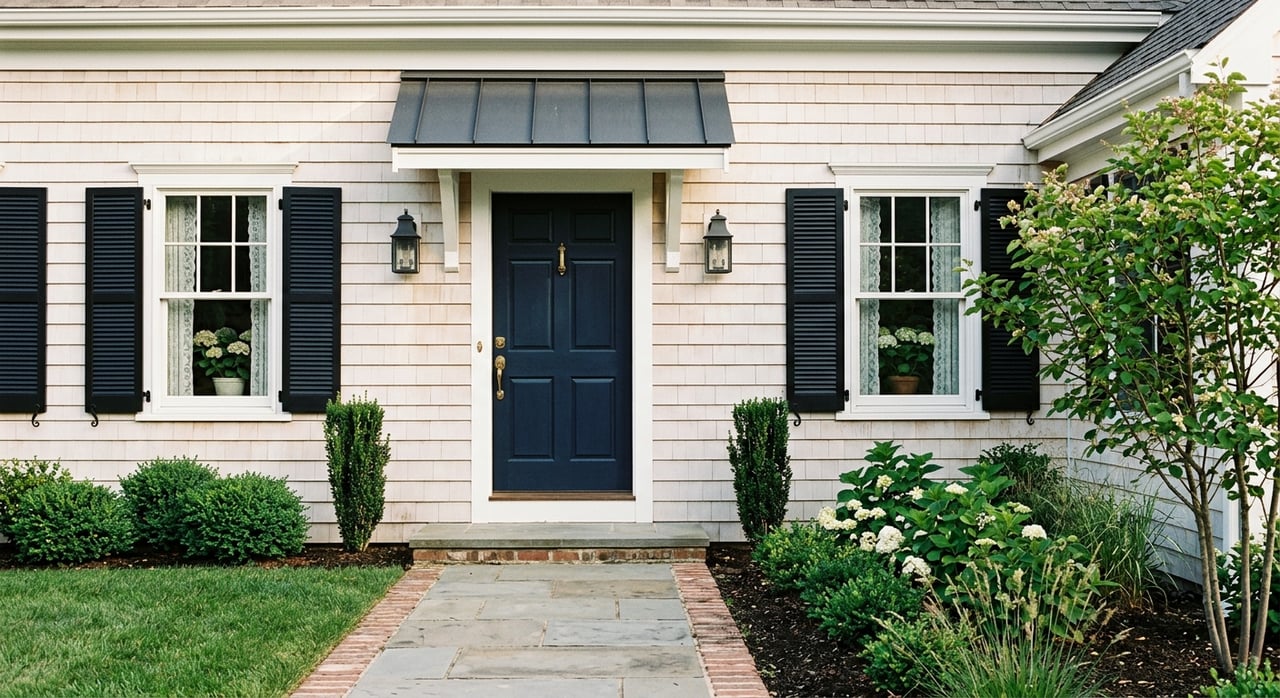
Are you thinking about staying in Rumson but living a little lighter? For many longtime homeowners, downsizing is not just about moving into a smaller house. It is about protecting your equity, reducing upkeep, and making a smart next move in a fast local market. If that sounds like where you are, this guide will help you think through timing, costs, preparation, and what to look for in your next home. Let’s dive in.
Why downsizing in Rumson is different
Downsizing within Rumson comes with a unique set of decisions because you are often selling and buying in the same high-value market. In May 2026, Redfin reported a median sale price of $2.3 million, with homes selling in about 10 days and a sale-to-list ratio of 106.6%. Realtor.com also described Rumson as a seller’s market, with a median listing price of $3.25 million, 59 homes for sale, and about 19 days on market.
That pace creates opportunity, but it can also create pressure. If your current home sells quickly, you may have less time than expected to secure the right replacement home. That is why a downsizing plan in Rumson needs to cover both sides of the move from the start.
There is also a local tax layer to keep in mind. Rumson’s official 2026 reassessment report says total assessed property value will rise 13.91% compared with 2025, while the estimated 2026 tax rate is expected to fall from 1.049% to 0.953%.
Just as important, the borough explains that your tax bill depends on your property’s share of the borough tax base. In other words, a change in assessment does not automatically mean your tax bill changes by the same percentage. The borough also says every property must be inspected at least once every five years, with the entire borough scheduled for inspection in 2026 and 2027.
Start planning earlier than you think
One of the biggest mistakes downsizing sellers make is waiting too long to begin. In a market where homes can move in days, it helps to sort belongings, review maintenance records, and think through your purchase strategy well before your home goes live.
National 2026 guidance from Realtor.com pointed to the week of April 12 through 18 as the best time to sell, while Redfin identified late April as a national sweet spot, with late March through mid-May as the broader window. Even so, your personal readiness matters more than any single date on the calendar.
If staying in Rumson is your goal, early preparation matters even more. You need enough runway to declutter, stage, price correctly, and make decisions about where you will go next. A rushed plan can make the buy side feel harder than it needs to be.
Questions to answer early
Before you list, try to get clear on these points:
- Do you want to sell first or buy first?
- How much maintenance do you want to eliminate?
- What monthly carrying costs feel comfortable?
- Are stairs, exterior work, or flood exposure concerns in your next chapter?
- Would temporary housing or a rent-back make the transition easier?
Sell first or buy first?
This is often the most important sequencing decision. Redfin notes that selling first usually gives you the strongest financial position and makes your next offer more competitive.
That can matter in Rumson, where market speed may limit the appeal of contingent offers. If you need the proceeds from your current home to fund the next one, you will want a strategy that protects both timing and negotiating strength.
Common options include:
- Selling first, then buying with clear proceeds in hand
- Buying first using bridge financing or a HELOC
- Making a home-sale contingent offer, if the seller will accept it
- Negotiating a rent-back after closing so you have more time to move
- Using temporary housing if selling first creates the cleanest path
There is no one-size-fits-all answer. The right choice depends on your comfort with risk, your financial picture, and how flexible you can be on timing.
Prepare your current home like an asset
When you have lived in a home for many years, it is easy to see it through the lens of memory and investment. Buyers, however, will see condition, presentation, and price. That is why downsizing sellers benefit from treating preparation as an asset-management exercise.
Realtor.com’s 2026 seller guidance emphasizes pricing appropriately and getting the home into strong showing condition. Its checklists focus on curb appeal, decluttering, neutral presentation, touch-ups, and visible repairs.
The same guidance also suggests gathering records for major systems such as the roof, HVAC, water heater, and gutters. A pre-inspection may also help surface issues before buyers do.
Prep steps that matter most
According to the 2025 Profile of Home Staging, the most common seller recommendations were:
- Decluttering the home
- Entire-home cleaning
- Improving curb appeal
For a larger Rumson home, that usually means focusing on the details buyers notice right away:
- Fresh landscaping and tidy exterior spaces
- A clean, welcoming entry
- Paint touch-ups where wear shows
- Spotless kitchens and baths
- Repairs to visible issues that can raise questions
- Organized storage areas and fewer personal items
These steps are not about making your home feel generic. They are about helping buyers see the home as well maintained, easy to understand, and worth pursuing with confidence.
Price with discipline, not emotion
Pricing can be especially sensitive when you have put years of care and money into a home. But in a market like Rumson, strategic pricing still matters. Overpricing can shrink early momentum, even in a seller’s market.
The strongest approach is to price from market reality rather than from emotional attachment or renovation cost alone. Buyers will respond to condition, location, lot, layout, and how your home compares with current options.
This is one place where calm, local guidance matters. A thoughtful pricing strategy can help you balance strong value with the goal of a clean, timely sale.
Choose the next home for ease
A successful downsizing move is not only about square footage. The better question is whether the next home supports the way you want to live now.
That may mean a simpler floor plan, fewer stairs, less exterior maintenance, or a property that is easier to care for day to day. The goal is not simply to own less. It is to create more ease.
Features that may support lower maintenance
As you look at smaller homes in Rumson, consider how each option performs in daily life:
- Main living spaces on one level
- Fewer rooms to heat, cool, and maintain
- Smaller yards or less intensive landscaping
- Lower exterior upkeep demands
- Simpler storage needs
- Layouts that feel comfortable and practical over time
A beautiful home can still become a burden if it creates the same upkeep challenges you were trying to leave behind. Try to focus on fit, not just finishes.
Look beyond size to long-term costs
In Rumson, a smaller home does not automatically mean a simpler ownership experience. You will want to look at taxes, closing costs, and site-specific risk as part of the decision.
For sellers in New Jersey, the Division of Taxation says the seller is responsible for the Realty Transfer Fee. A separate seller-paid Graduated Percent Fee also applies to transfers over $1 million, and the rate is 2% for sales over $2 million through $2.5 million.
New Jersey also recognizes partial exemptions from the basic transfer fee for qualifying senior citizens age 62 or older, blind persons, and disabled persons. These are important details to review before you estimate what you will net from your sale.
Older homeowners may also want to look at property tax relief programs. The New Jersey Division of Taxation says the PAS-1 application is used for Senior Freeze, ANCHOR, and Stay NJ, and that the deadline for the 2025 application is November 2, 2026. Stay NJ is calculated as 50% of property taxes, capped at $6,500.
Check flood exposure on the next home
In Rumson, flood exposure can be an important part of downsizing well. The borough’s flood-management resources point residents to FEMA flood maps, a local sea-level-rise map, and related planning tools.
That means your search should include more than interior features and curb appeal. If your goal is fewer surprises and lower long-term effort, flood-zone status, insurance exposure, drainage, and mitigation needs deserve careful attention.
New Jersey DCA also says its Mitigation Assistance Programs help eligible property owners in flood-prone communities elevate homes and may cover some construction and dislocation costs during construction. While that may be relevant for some owners, many downsizers prefer to understand flood-related obligations before they buy rather than deal with them later.
Build a downsizing plan in stages
A smooth move usually comes from sequencing, not speed. Breaking the process into stages can make the transition feel much more manageable.
A practical downsizing roadmap
Stage 1: Clarify your goals
- Decide what you want less of: space, stairs, maintenance, or monthly cost
- Define what you want to keep: location, privacy, layout, or proximity to daily routines
Stage 2: Understand the numbers
- Estimate likely sale proceeds
- Review transfer fees and possible exemptions
- Consider property tax relief programs if applicable
- Set a realistic comfort range for your next purchase
Stage 3: Prepare the current home
- Declutter and sort early
- Gather maintenance records
- Complete visible repairs and touch-ups
- Build a pricing and presentation strategy
Stage 4: Plan the transition
- Decide whether selling first or buying first fits best
- Explore rent-back, temporary housing, or financing tools if needed
- Start watching the smaller-home market before listing
Stage 5: Buy for the next chapter
- Prioritize low-maintenance living
- Review flood-zone and insurance considerations
- Focus on ease, comfort, and long-term livability
Downsizing is often emotional as well as financial. A clear plan helps you make decisions with less pressure and more confidence.
If you are considering a move within Rumson, the goal is not simply to go smaller. It is to move thoughtfully, protect what you have built, and choose a home that makes daily life easier. When the process is handled with preparation and care, downsizing can feel less like a loss and more like a smart next step.
If you would like calm, strategic guidance on timing, pricing, and navigating a same-town move, Katie Gay NJ is here to help.
FAQs
When should you start downsizing within Rumson?
- You should ideally start before your home is listed, especially in a fast market like Rumson where homes may sell quickly and preparation time can disappear fast.
Should you sell first or buy first when downsizing in Rumson?
- Selling first often gives you the strongest financial position and can make your next offer more competitive, though the right choice depends on your timing, finances, and flexibility.
What matters most when preparing a larger Rumson home for sale?
- Decluttering, deep cleaning, curb appeal, neutral presentation, visible repairs, and organized maintenance records are among the most important steps.
What local costs should you budget for when selling a home in Rumson?
- You should budget for New Jersey Realty Transfer Fees, the seller-paid Graduated Percent Fee for qualifying sales over $1 million, and any related moving or temporary housing costs.
What should you look for in a smaller home in Rumson?
- Look for a home that reduces daily upkeep through a simpler layout, fewer maintenance demands, and a better long-term fit for how you want to live.
Why should flood exposure be part of a Rumson downsizing search?
- Flood-zone status, drainage, and insurance exposure can affect both long-term costs and maintenance, so they are important to evaluate before choosing your next home.